







Search Results for: antique ornaments
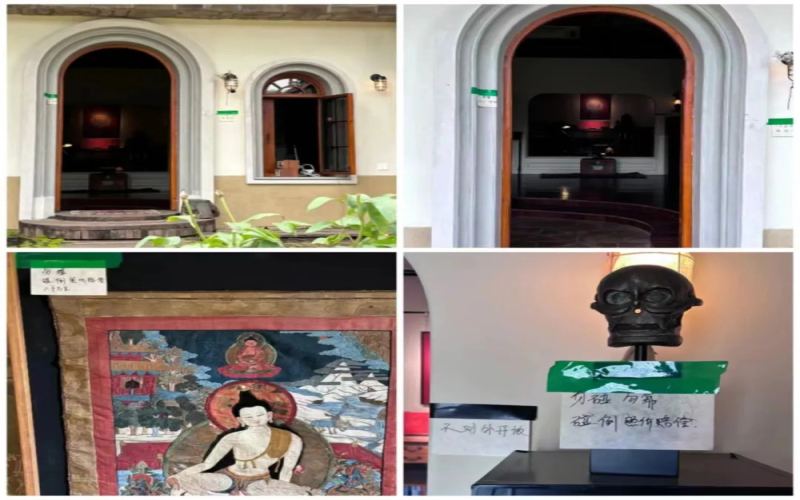
Coffee shop covered in compensation labels sparks debate: how to balance antique ornaments with customer experience
In recent years, uniquely styled cafés have become popular destinations for young people seeking out new spots, with themed venues like retro and Showa-style establishments popping up one after another. However, some netizens have noticed that at a café featuring a medieval retro theme, price tags are stuck on items everywhere, reminding customers not to touch the antique ornaments and warning that any damage must be compensated at full price. While this approach of displaying a large private collection in the store creates a rich artistic atmosphere, it also makes customers feel constrained, robbing the café of the relaxed ease it should have. How to strike a balance between showcasing treasured collectibles and ensuring a comfortable customer experience has become a question worth pondering. [more…]
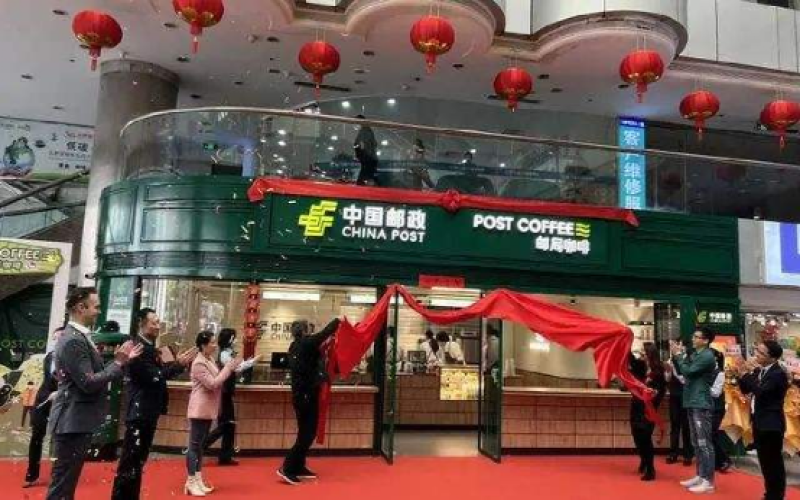
India's Kolkata General Post Office跨界 opens a coffee shop, selling coffee as well as Ganges water and century-old furniture.
Following China Post's opening of offline cafes, India Post has also taken a cross-industry step. According to The Indian Express, India's first post office cafe is located in the General Post Office in Kolkata, the third-largest city, and is named Siuli, meaning "a flower." This "parcel cafe" not only serves regular coffee but also sells gifts, antiques, and even Ganges water packaged in Gangotri. The interior furnishings are mostly old furniture nearly two hundred years old, including parcel sorting tables from the 1850s and spears used by postal workers during British India. The Postmaster General said the move is intended to attract young people into post offices and boost parcel business. Behind this crossover is the postal industry's effort to adapt in the face of express delivery competition and a narrowing market. [more…]
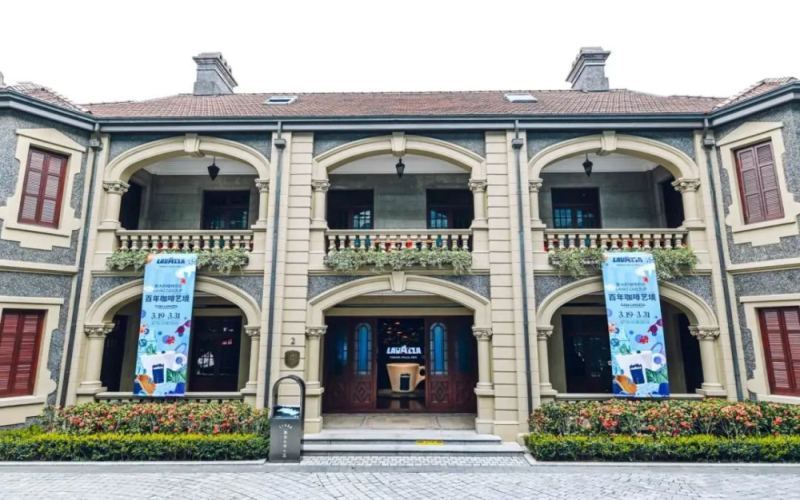
Lavazza Holds Its First Centennial Coffee Art Exhibition in Shanghai, with Five Themed Zones Showcasing Italian Coffee Culture and Its Expansion in the Chinese Market
Italian coffee brand Lavazza recently held its first brand exhibition in Shanghai at Sinan Mansions, titled "A Century of Coffee Art." The exhibition features five distinctive zones, ranging from classic coffee cup art installations to a simulated space station, from antique coffee machines to an artistic photography exhibition, and from coffee blending experiences to an immersive Italian street scene, comprehensively showcasing the cultural heritage and innovative spirit of this 128-year-old Italian coffee brand. The exhibition is free and open to the public, and the first 200 visitors each day can enjoy coffee for just 0.1 yuan. Meanwhile, Lavazza's development in the Chinese market has drawn considerable attention, evolving from its early lukewarm reception to rapid expansion following its partnership with Yum China, with its "thousand-store plan" steadily advancing. [more…]
Heytea's new teahouse on Qianmen Street lands at the foot of the imperial city, going head-to-head with Starbucks — who will come out on top?
Beijing's Qianmen Street, an old thoroughfare carrying centuries of commercial heritage and memories of the imperial city, has now welcomed a new face—Heytea's teahouse has officially opened here. The opening promotion is quite generous: buy-one-get-one-free on a series of products for the first three days, with multiple rounds of benefits to follow. Interestingly, Starbucks opened its Reserve store at 1-1 Qianmen Street back in 2018. One champions a mix of modern minimalism and Chinese nostalgia, while the other holds fast to an antique Beijing flavor. As the two beverage giants meet head-on at the foot of the imperial city walls, what kind of sparks will fly? Can the collision between new-style tea drinks and coffee culture inject a different kind of vitality into this historic old street? [more…]

Analysis of Coffee Tree Potted Cultivation and Growing Region Conditions: From Plant Classification to Artificial Planting Practices
Coffee, this everyday beverage, originates from the fruit of the coffee tree. This article begins with its botanical classification and systematically examines the origins, growth habits, and suitable cultivation regions of the coffee tree. The coffee tree belongs to the genus Coffea in the family Rubiaceae and is an evergreen shrub, naturally distributed across the "Coffee Belt" between the Tropic of Cancer and the Tropic of Capricorn. Beyond commercial cultivation, the coffee tree can also be grown as an ornamental potted plant, displaying its unique charm in artificial environments. The article will explain in detail the coffee tree's growth cycle, pruning management, and planting applications in coffee shops, accompanied by multiple images to aid explanation, helping coffee enthusiasts gain a more comprehensive understanding of this plant's natural and cultivated growing requirements. [more…]

Luckin's tea brewing machines get the cold shoulder at stores: wrapped in cling film, slapped with "do not use" signs, yet rolled out nationwide only to sit idle on counters
Since last December, Luckin Coffee has piloted tea extraction machines in some stores in Guangzhou, planning to replace tea powder in light milk tea with freshly extracted hot tea to enhance the taste and health attributes of the drinks. However, since the testing phase, this device has been complained about by store staff as "good to look at but useless." Now that it has been gradually rolled out nationwide, many stores have wrapped it in plastic wrap and affixed prohibition stickers, turning it directly into an idle ornament on the counter. Staff feedback indicates that it is cumbersome to clean and inefficient, instead increasing the workload. Although management requires its use, frontline employees still deal with back-end detection by "turning it on at the start of the shift and off at the end." This article sorts out the various real-world dilemmas encountered during the tea extraction machine's journey from pilot to promotion, as well as the game between the brand and the stores. [more…]
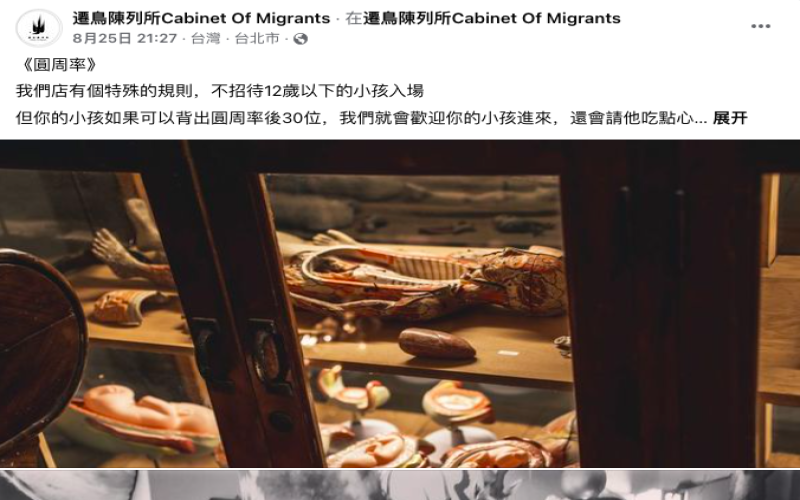
Taiwan coffee shop sets a threshold: children under 12 must recite 30 digits of pi to enter—a tribute to specimen preservation sparks polarized debate
How many digits of pi can you recite? Most people only remember 3.14, and the more impressive ones might manage 3.1415926. But at a coffee shop in Taipei, Taiwan, called "Migratory Bird Exhibition Hall," children under 12 who want to dine inside must accurately recite 30 digits of pi after the decimal point. This unusual rule quickly sparked heated debate, with some criticizing it as discrimination against children and others praising the shop for cleverly creating a fair opportunity for proof. The shop displays over a hundred rare animal specimens, including giraffes, zebras, and peacocks, costing hundreds of thousands each, with the most expensive giraffe specimen priced at 600,000 New Taiwan dollars. The owner admits that this move is both to protect the expensive exhibits and to give children a chance to prove their self-control. So far, a 6-year-old and a 10-year-old have successfully recited 30 digits to enter and dine. [more…]
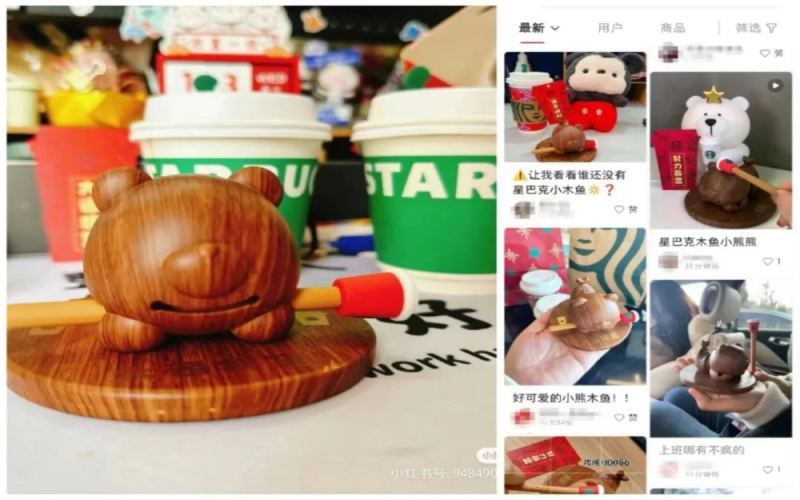
The New Battleground for Coffee Brand Promotions: Free Gifts, Not for Sale—Why Do Consumers Care More About the Packaging Than the Coffee?
Recently, the coffee industry has seen a surge in the trend of offering free merchandise with purchases. Brands such as Starbucks, Manner, and Luckin have rolled out limited-edition trinkets, from wooden fish ornaments to co-branded canvas tote bags and blind-box pins, attracting a large number of consumers to place orders just for the freebies. This promotional model of giving items away rather than selling them has gradually turned the coffee brand war into a competition of merchandise design. While consumers chase limited-edition gifts, their attention to the drinks themselves is declining. This article will review recent buy-one-get-one promotions by various brands and analyze the consumer psychology and industry impact behind this phenomenon. [more…]
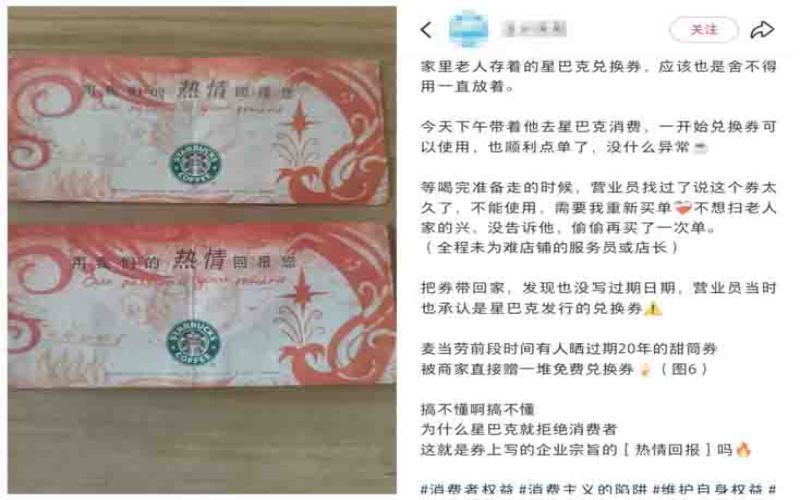
Starbucks' Refusal to Redeem a 14-Year-Old Paper Voucher Sparks Heated Debate; Customer Gets to Keep It as a Keepsake After Compensation Plan Adjusted Twice
A longtime Starbucks customer in a Shanghai store was refused when trying to use two paper vouchers for free medium-sized drinks that had been distributed years earlier. The barista initially默认 they could be used, but then, citing that they were "too old," asked the customer to pay again. After the incident spread on social media, Starbucks customer service first asked the customer to mail the vouchers to verify their authenticity, then after two apologies adjusted the compensation plan, and ultimately agreed that the customer could keep the two paper vouchers, which hold commemorative value. Former employees revealed that such "thank you" vouchers originated from the period when Uni-President Group handled the business in the Jiangsu-Zhejiang-Shanghai region, representing an emotional connection between the brand and its customers. The incident sparked discussion among netizens about how brands should handle expired vouchers. [more…]
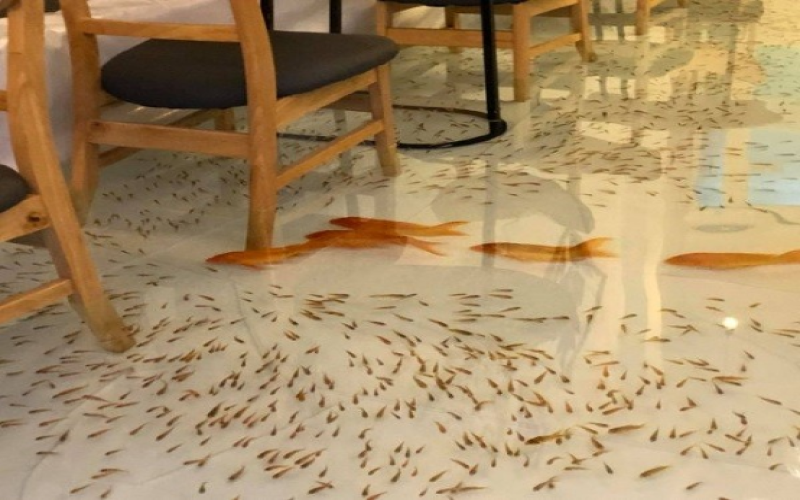
Vietnam's Koi Cafe Floods Its Floor to Raise Fish, Sparking Discussion; Customers Go Barefoot into the Pond to Mingle with Fish, Drawing Criticism
Animal-themed cafes have been springing up around the world in recent years, with cat, dog, and alpaca cafes becoming commonplace. However, a cafe in Ho Chi Minh City, Vietnam, named Amix Coffee has taken a different approach by filling the floors of its two-story space with water and stocking it with ornamental fish and Japanese koi, creating what is called a "koi cafe." Customers must take off their shoes and wash their feet before entering the pool to interact with the fish up close. While this idea is eye-catching, it has also sparked heated debates over animal welfare, hygiene, and safety. Some netizens criticized the practice as inhumane, saying it could crush the fish to death or spread disease. Meanwhile, South Korea has announced a ban on exhibiting wild animals outside of zoos, bringing the boundary issues of animal-themed cafes back into the public eye. [more…]
How many beans should you use per pour-over coffee? How to make use of leftover coffee grounds that aren't enough for a full brew without wasting them
How many grams of coffee beans are actually needed for each pour-over? Can you still brew a good cup with less than 15 grams? Many people, after opening a bag of beans, always end up with a few scattered beans—not enough to brew a full pot. How exactly should these "leftovers" be handled? Starting from calculating dosage and drawing on Front Street Coffee's practical experience, this article shares three practical approaches to dealing with leftover coffee beans: grinding and pouring adjustments when brewing them directly, blending principles for combining different beans, and creative ways to turn beans into ornaments or specimens. Whether you are a beginner just starting out or a seasoned enthusiast addicted to stockpiling beans, you can find ways to avoid waste and make the most of every bean. [more…]
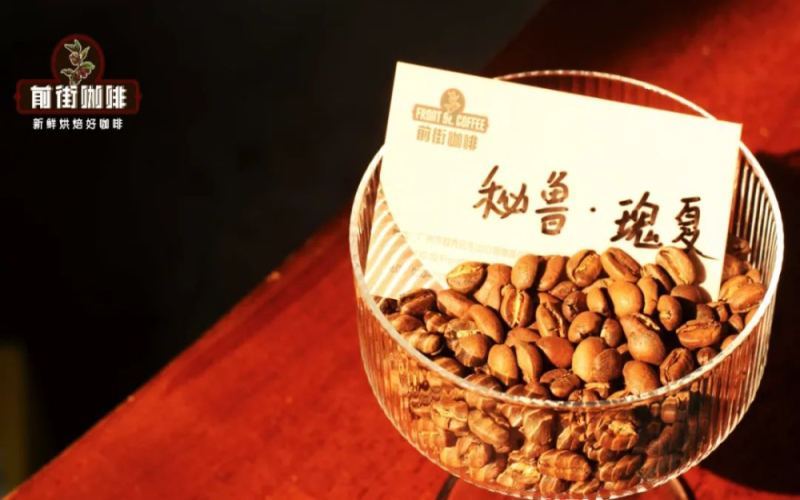
Exploring Peruvian Coffee: The Flavor Code from the High Andes to Specialty Washed Geisha
Although Peruvian coffee is not as widely known as Colombian or Brazilian coffee, it has rapidly risen in the international market thanks to its mild, balanced flavor and extremely high cleanliness. This "land of abundance" in western South America is home to the high-altitude growing regions of the Andes Mountains, as well as the world's largest organic coffee output. From a colonial-era ornamental garden plant to the smallholder cooperative model that emerged after land reform, Peruvian coffee has forged a unique path of development. This article will guide you through the growing regions, historical trajectory, grading system, and processing methods of Peruvian coffee, and share a cupping experience of a Cajamarca washed Geisha that Front Street Coffee recently acquired. [more…]
Peru Andes Terra Nera Palm Civet Coffee: Origin, Production, and Harrods Release Details of the World's Most Expensive Coffee Beans
Terra Nera coffee beans are produced in the Quechua region in the southeastern Andes of Peru. Their value is greatly enhanced by the involvement of the palm civet (Uchunari) in processing, and they are recognized as one of the most expensive and rarest coffees in the world. Its annual output is affected by natural conditions and the state of the palm civets, and has sharply dropped from 70 kilograms to about 45 kilograms. It is divided into six grades, with the top Grade 0 being entirely hand-selected. These beans are sold only in limited quantities at Harrods in London, and must be roasted to order after reservation. Grade 0 even comes with English sterling silver decoration and a 24K gold-plated bag, with the name engraved by a silversmith. In terms of flavor, it is 100% Arabica, with notes of bitter cocoa, hazelnut, and dried leather. The mouthfeel shifts from light to buttery and silky, with a rich, mellow finish. Front Street Coffee will also continue to follow developments involving this kind of rare bean. [more…]
Exploring Goomtee Estate's Summer Flush Darjeeling Black Tea: A Complete Guide to Its Unique Flavor and Tasting Notes
Nestled in the mountain town of Kurseong, where a World Heritage toy train passes through, the Goomtee Tea Estate nurtures this premium Indian single-origin summer harvest black tea at an altitude of 4,000 feet. The liquor is a bright amber, with aromas interweaving apricot, plum, pomelo, and soft oak notes. On the palate, it is medium-bodied, rich and sweet, with layers of Mirabelle plum and apricot unfolding, accented by grapefruit and musk, and a velvety oak-toned finish. The dry leaves exude aromas of hazelnut, caramel, and cedar blended with ripe rambutan and almond nougat; the wet leaves hint at damp wood, vegetation, and peach. Paired with scones, croissants, or buttered toast, it makes for an unforgettable summer black tea experience. In this issue, Front Street Coffee will take you deep into this iconic tea estate, offering a complete interpretation of this Darjeeling summer harvest black tea's unique charm—from liquor, aroma, and appearance to food pairing—and sharing practical information for a Goomtee tea tourism getaway. [more…]
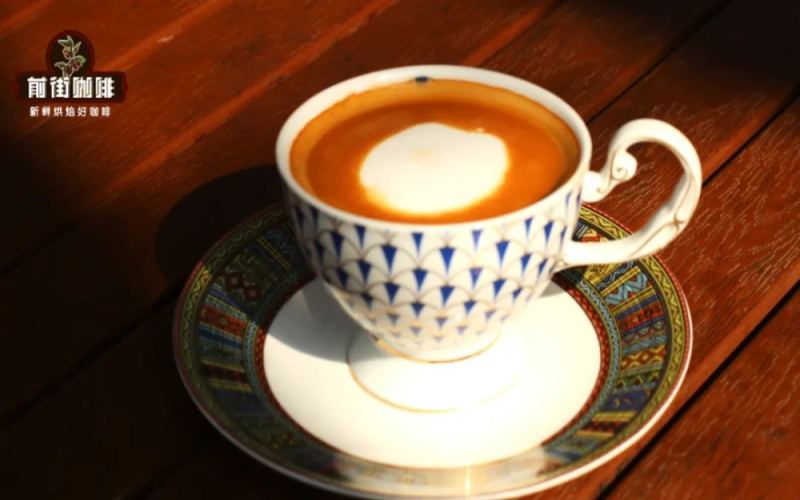
What Is Viennese Melange Coffee? The Differences Between Wiener Melange and Cappuccino and an Analysis of Front Street Coffee's Offerings
Melange coffee is one of the most iconic milk coffees in Viennese café culture. Its name comes from the French word for "mixture," emphasizing the blending of espresso, hot milk, and thick milk foam. It is quite close to the cappuccino we are familiar with in terms of formula elements, but there are clear differences in cup size, number of espresso shots, and foam form. This article will unfold from the historical origins of Melange, its specific differences from cappuccino, and the complete process of Front Street using Warm Sun coffee beans to make a traditionally styled Melange, helping coffee lovers understand the unique qualities of this Viennese classic drink. [more…]

Sexytea Removes English Logo: Brand Creativity Boundaries Spark Debate Again
Sexytea has recently announced the removal of the English logo "Sexytea" from its newly opened stores and promised that future stores will no longer use the name, with existing stores' English logos also being gradually replaced. The brand explained that "Sexy" was intended to mean "charming," hoping customers would feel surprise in every cup of tea, but due to the word's multiple meanings causing controversy, they deeply apologize. The statement also mentioned that the team had discussed optimizing the English name during a mid-year review, but progress was slow, and this online discussion served as a wake-up call. Additionally, netizens dug up past incidents where Sexytea had apologized twice—once for a mug with the phrase "pick up leftovers" and once for tea bags labeled "Officer, I want it"—sparking renewed discussion about the boundaries of brand creativity. As a representative of Changsha's local guochao tea beverage scene, how Sexytea balances creativity and values is worth watching. [more…]
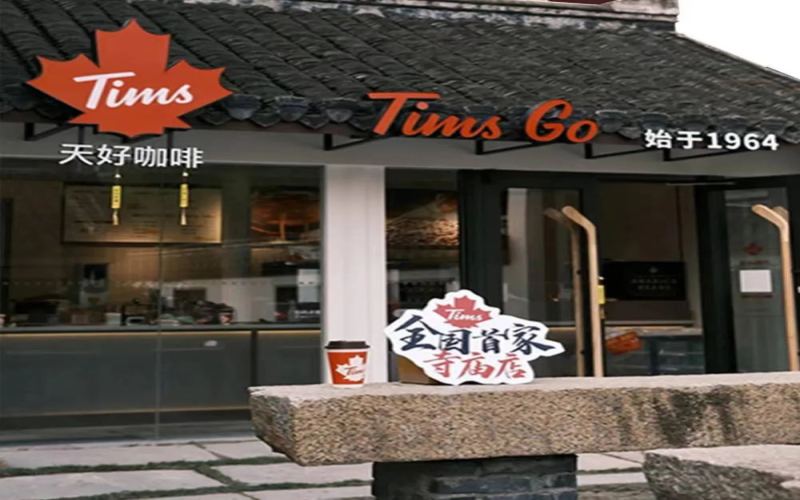
Tims Coffee opens its first temple store in China at Nantong Xisi Temple, with young people flocking to check in to relieve stress
The coffee chain Tims recently opened China's first temple coffee store at Xisi in Nantong, Jiangsu, sparking considerable attention and discussion. The new store not only introduced promotional slogans with a Zen flavor but also set up opening activities such as incense card giveaways, limited-edition stamps, and collaborative canvas tote bags, attracting many consumers to visit and check in. In fact, since the beginning of this year, temple coffee shops have been springing up in various places, with similar attempts at Yongfu Temple in Hangzhou, Longxing Temple in Taizhou, and Nanputuo Temple in Xiamen. Behind young people's enthusiasm for temple coffee lies both a spiritual anchor amid life's pressures and a reflection of coffee brands seeking differentiated marketing strategies in fierce competition. Front Street Coffee takes you through the ins and outs of this temple coffee trend. [more…]
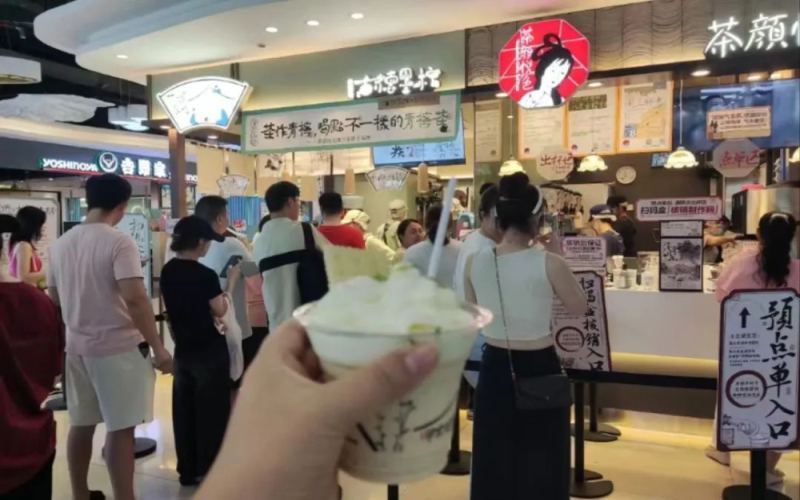
Tea Yan Yue Se launches another lemon tea sub-brand Good Mo Ning, sparking heated discussion over redemption queues and menu design
Sexy Tea has once again laid out a segmented track, with its brand-new sub-brand Good Lemon opening five stores in Changsha in one go on September 19. Similar to the main brand, Good Lemon does not have independent stores, but is embedded in Sexy Tea's large stores with partitioned operations, leveraging the parent brand's foot traffic to quickly attract check-in crowds. This is not Sexy Tea's first time incubating a side brand; from the early Zhihu Tea to the 2022 Yuanyang Coffee, its multi-brand strategy has been ongoing for many years. The lemon tea market has strong growth momentum, with a Meituan report showing sales in 2022 increased by over 130% year-on-year. Good Lemon clearly aims to grab a share of this pie, with plans to open 15 to 20 stores in Changsha within the year. However, the new brand has barely made its debut when it encountered consumer complaints, with the core controversy still centered on Sexy Tea's signature verification queue model and menu names that are too free-form, making ordering difficult. [more…]
A Beginner's Guide to Single-Origin Coffee: Definitions, Classic Regional Flavor Profiles, and Signature Blend Ratio Analysis
What exactly is single-origin coffee? How does it differ from regular coffee? This article will guide you through a systematic understanding of the basic definition and naming rules of single-origin coffee, and review one by one the origins, flavor characteristics, and suitable drinkers of classic single-origin coffees such as Blue Mountain, Colombia, Brazil, Mandheling, Mocha, Kona, and charcoal roast. At the same time, the article also compiles representative single-origin bean blending ratios oriented toward acidity, bitterness, richness, and mildness, for coffee lovers' reference. If you are looking for a reliable channel to buy single-origin beans, Front Street Coffee offers a variety of single-origin beans from classic regions, which can serve as choices for beginners and more advanced drinkers. [more…]
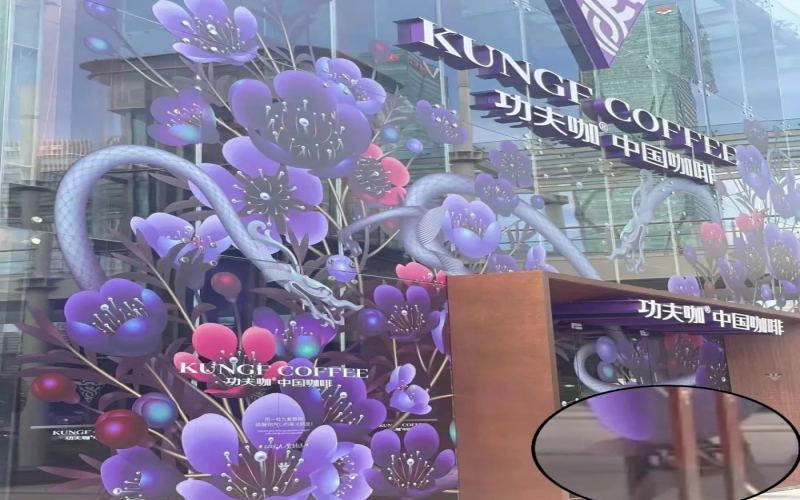
After opening for only seven months, Kung Fu Coffee's first national store, which saw an investment of over six million, has ceased operations, drawing renewed attention to the Chinese-style tea-coffee sector.
Kung Fu Coffee, which once made a high-profile debut with the concept of "Eastern tea plus Western coffee," quietly shut down its first national store at Shenzhen's Wongtee Plaza just seven months after opening. Incubated by the team behind "Benlai Buyingyou," the brand's first store was said to have cost over six million yuan to build, and it briefly became an internet-famous check-in spot thanks to its purple interiors and Chinese-element design, reaching an average daily output of 1,200 cups within ten days of opening. Yet consumer reviews were sharply divided, and coupled with the awareness and talent bottlenecks facing the tea-coffee category itself, Kung Fu Coffee's next moves are drawing close attention. [more…]